
 KACD
KACD
Current issue
- Page Path
- HOME > Browse articles > Current issue
- Volume 51 (3); August 2026
-


Review Article
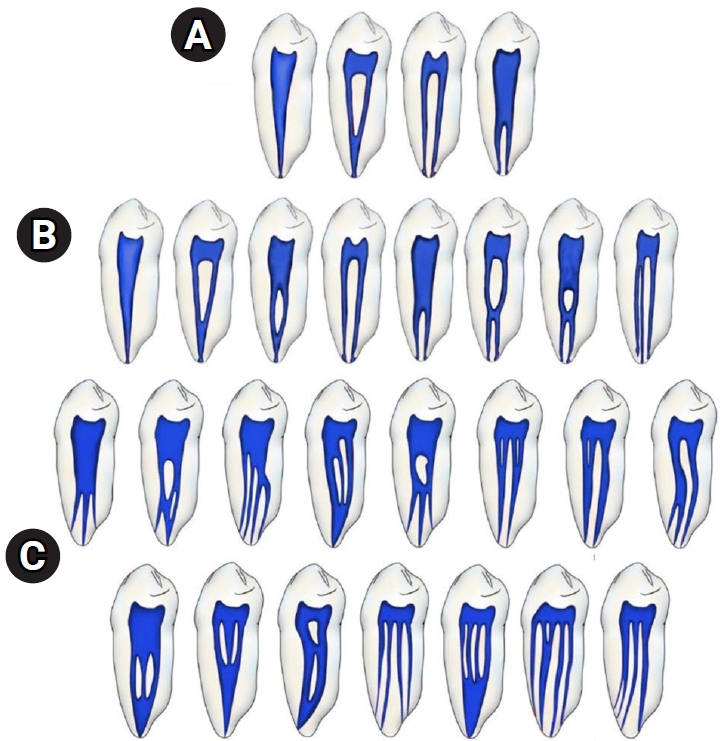
- Educational implications of a novel system for classifying root and canal anatomy in the human dentition: a narrative review
- Hany Mohamed Aly Ahmed, Paul Michael Howell Dummer
- Restor Dent Endod 2026;51(3):e28. Published online May 20, 2026
- DOI: https://doi.org/10.5395/rde.2026.51.e28
-
 Abstract
 PDF
PDF - A comprehensive understanding of both the external and internal anatomy of teeth is fundamental for the effective diagnosis and management of pulp and periapical pathoses. Recent progress in noninvasive, high-resolution imaging modalities, including cone-beam computed tomography and micro-computed tomography, has significantly enhanced the ability to examine the complex morphology of dental structures. These technological advancements have facilitated a level of anatomical detail that was previously unattainable, particularly in the assessment of crown, root, and canal systems. In response to this wealth of new anatomical data, a novel classification framework has been developed, enabling the systematic coding of root and canal configurations across all tooth types. This system offers a more nuanced and comprehensive representation of root canal anatomy compared to earlier classification models. This narrative review explores the implementation of this contemporary classification scheme in education, with a particular focus on its utility in recognizing anatomical variations and accessory canals for the benefit of undergraduate and postgraduate dental students as well as general dental practitioners.
- 2,272 View
- 110 Download

Research Articles
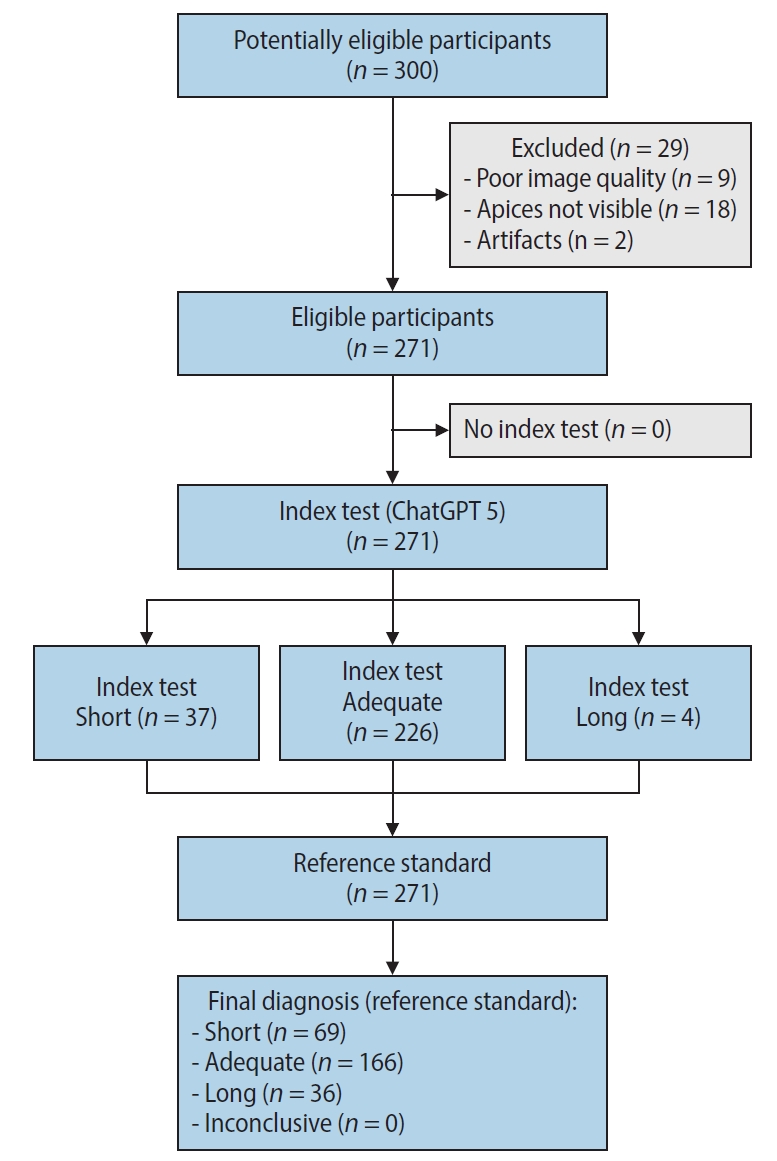
- Diagnostic accuracy of ChatGPT-5 in evaluating root canal treatment and periapical pathosis on periapical radiographs
- Waleed Almutairi, Mujahid Alnasser, Hanan Alharbi, Obadah Austah
- Restor Dent Endod 2026;51(3):e29. Published online July 8, 2026
- DOI: https://doi.org/10.5395/rde.2026.51.e29
-
Abstract
PDF
- Objectives
Artificial intelligence (AI) chatbots such as ChatGPT-5 (OpenAI) are increasingly used for dental radiograph interpretation, especially among patients seeking self-assessment. However, their diagnostic accuracy in endodontics remains unclear. Methods: This cross-sectional STARD-AI-compliant study analyzed 271 anonymized periapical radiographs of endodontically treated posterior teeth, classified as straightforward (n = 167) or complex (n = 104), using standardized ChatGPT-5 prompts. Diagnostic criteria included obturation length (short, adequate, long), presence of voids, and periapical pathosis. Results were compared to those of a panel of general dentists and a reference standard from endodontic specialists. Sensitivity, specificity, and accuracy were calculated using the McNemar test (p < 0.05). Results: ChatGPT-5 demonstrated high specificity (up to 99.3%) for normal or adequately treated findings but low sensitivity for short (13.7%) or long (0.0%) obturations, voids (9.0%–22.7%), and periapical lesions (10.5%–28.6%). Overall accuracy (54.0%–63.2%) was significantly lower than that of general dentists (76.0%–85.6%) (p < 0.001). Conclusions: Although ChatGPT-5 achieved high specificity, its low sensitivity and overall accuracy limit diagnostic reliability. Expert clinician oversight remains essential for accurate interpretation and treatment planning.
- 1,578 View
- 85 Download
- The influence of various adhesive applicators on the bond strength to dentin: an in vitro experimental study
- Ahmed Alshawi, Benin Dikmen, Fadimeana Lal, Sevda Ozel Yildiz, Ugur Erdemir
- Restor Dent Endod 2026;51(3):e30. Published online June 22, 2026
- DOI: https://doi.org/10.5395/rde.2026.51.e30
-
Abstract
PDF
- Objectives
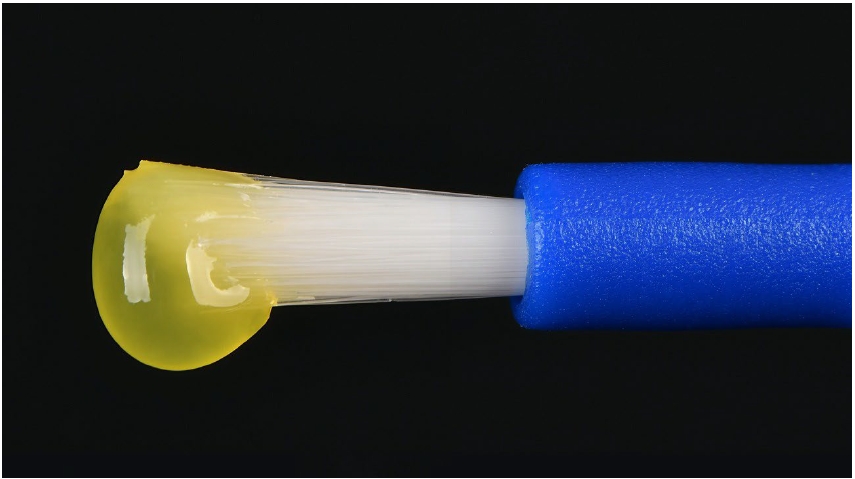
The aim of this in vitro study was to evaluate the influence of various adhesive applicators on the microshear bond strength (µSBS) of flowable resin composite to dentin. Methods: Forty-two extracted molars were prepared as disks and divided into two groups. In the first group, GLUMA Bond Universal (Heraeus Kulzer GmbH) was applied to the tooth surface for 20 seconds using a bristle brush, while in the second group, the same adhesive was applied by the same operator using a microbrush. Photopolymerization was performed for 10 seconds using a Valo light-curing unit (Ultradent Products Inc.). Microcylindrical silicone tubes (2 mm long, 0.8 mm inner diameter) were used as molds on the bonded dentin surfaces, and Charisma Bulk Flow ONE resin composite (Heraeus Kulzer GmbH) was injected and cured for 20 seconds. Both groups underwent a µSBS test, and the failure modes were examined microscopically. Student t-test compared the failure stress between the groups (p < 0.05). Results: The bristle brush group had the highest mean stress at failure (49.09 ± 8.76 MPa) compared to the microbrush group (37.20 ± 6.77 MPa), which also had the highest percentage of adhesive failure (95.24%). Conclusions: The choice of adhesive applicator plays a significant role in determining the µSBS of flowable resin composite to dentin. It is advisable to use a bristle brush applicator when applying adhesive.
- 9,852 View
- 1,185 Download
- Microbial leakage and marginal adaptation of alkasite restorative material in Class II cavities: an in vitro study
- Kah Hup Chew, Norhayati Yusop, Kasmawati Mokhtar, Hafizah Ibrahim
- Restor Dent Endod 2026;51(3):e31. Published online July 28, 2026
- DOI: https://doi.org/10.5395/rde.2026.51.e31
-
Abstract
PDF
- Objectives
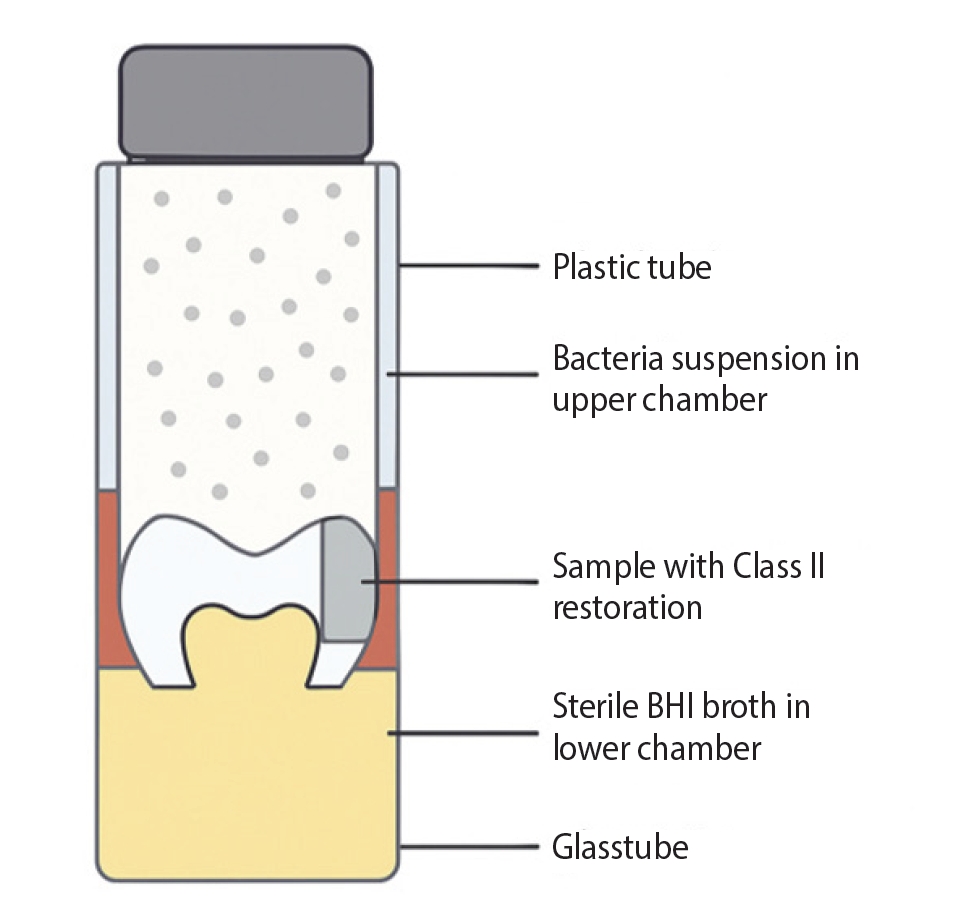
This study aimed to determine the relationship between the interfacial properties of proximal cavities (microbial leakage and marginal adaptation) and restorative materials (alkasite, resin composite, and glass hybrid). Methods: This study involved 66 human third molars that were left intact. Standardized Class II cavities were done on the mesial surface. The samples were then divided into five groups: (i) Cention N (CN, Ivoclar Vivadent), (ii) Filtek Z350XT (FZ, 3M ESPE), (iii) EQUIA Forte (GC Corporation), and (iv) two controls. For 40 days, a dual-chamber model containing Streptococcus mutans was used to study microbial leakage. Qualitative assessments of the sectioned samples were also carried out using a scanning electron microscope (SEM). Moreover, this study employed descriptive and Kaplan-Meier analyses, alongside a one-way analysis of variance for additional descriptive comparisons (p < 0.05). Results: Across different restorative materials, notable variations in microbial leakage were recorded. From the supplementary analysis between CN and FZ, a statistically significant difference was demonstrated (p = 0.037). In comparison to other restorative systems, CN also produced a prolonged mean time before microbial leakage occurred. For the interfacial properties of the restorative systems, illustrative information was offered via the SEM images. Conclusions: Regarding microbial leakage, all restorative systems presented their occurrence (despite the constraints of this study). When assessing CN and FZ restorative systems, a slower rate of microbial leakage was also concluded for CN. For the tooth-restoration interface, qualitative data were verified through SEM observations.
- 1,183 View
- 82 Download
- Classification proposal of obliterated canals based on the position of the target point and the caliber of the root canal
- Gustavo Adolfo Castillo Barrios, Patricia Rodríguez Sánchez, Anuar Elian Barona Triviño, Carlos Humberto Martínez Cajas
- Restor Dent Endod 2026;51(3):e32. Published online August 4, 2026
- DOI: https://doi.org/10.5395/rde.2026.51.e32
-
Abstract
PDF
- Objectives
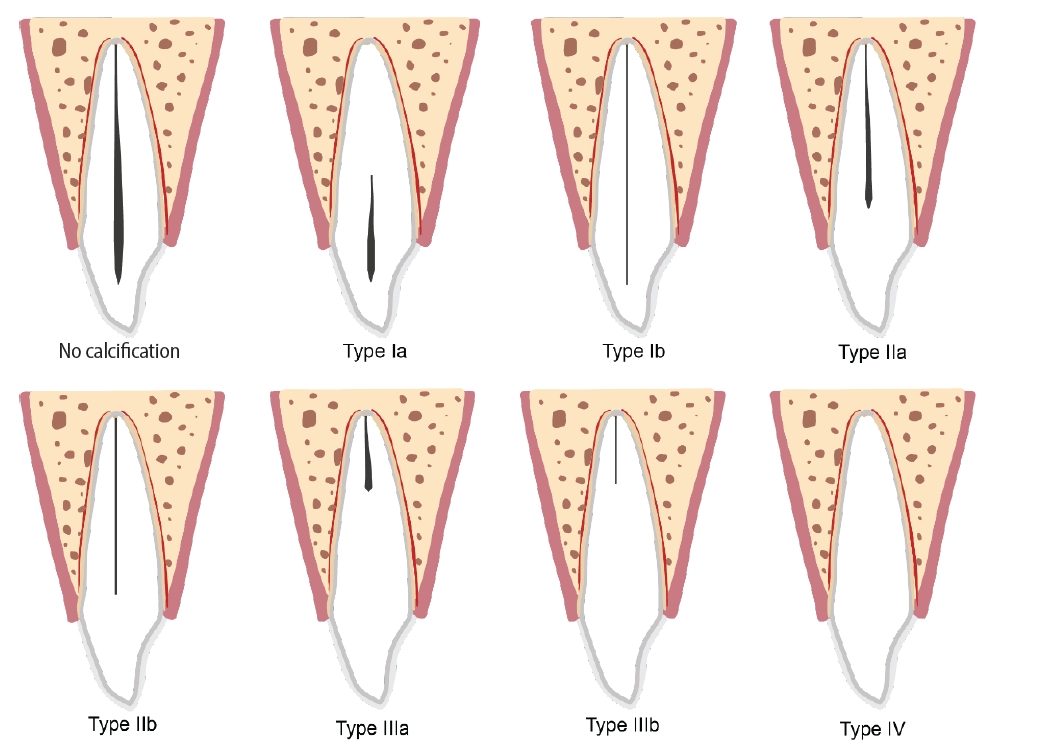
This study aimed to propose a classification system for calcified root canals based on the location of the target point or canal starting point and root canal lumen caliber to facilitate the evaluation of dynamically guided techniques in endodontic treatment. Methods: A retrospective analysis of eight cases with calcified root canals was conducted. Periapical radiographs and cone-beam computed tomography were used to classify cases based on root location and degree of obliteration. Clinical and radiographic outcomes were evaluated. Results: Eight classification types are identified, ranging from non-obliteration and partial obliteration to total obliteration. The location of the root canal lumen varies from the pulp chamber to the apical third of the root. Guided endodontics with dynamic navigation has been demonstrated to be an effective treatment modality in cases of advanced obliteration, thereby substantiating its efficacy in complex scenarios. Conclusions: The proposed classification system provides a framework to understand the complexity of calcified root canals. Guided endodontics with dynamically guided techniques can be valuable in managing these challenging cases, particularly when the root canal lumen is in the apical third. Further studies are needed to validate the classification system and evaluate the long-term outcomes of the different treatment approaches. -
Citations
Citations to this article as recorded by
- Failure of Guided Endodontic Access in a Severely Obliterated Root Canal: A Case Report of Drill Deviation
Stephanie Isabel Diaz Zamalloa, Iandara Lima Scardini, Shirley Maklane Gomes Soares, Daniel de Almeida Decurcio, Marcelo dos Santos, Celso Luiz Caldeira, Hannah Wesley
Case Reports in Dentistry.2026;[Epub] CrossRef
- Failure of Guided Endodontic Access in a Severely Obliterated Root Canal: A Case Report of Drill Deviation
- 1,329 View
- 120 Download
- 1 Web of Science
- 1 Crossref
- Impact of bacteriological testing using an anaerobic culture system on the success of nonsurgical endodontic treatment: a retrospective study
- Jun Nakanishi, Noriko Saito-Nakayama, Shizu Hirata-Tsuchiya, Daisuke Furutama, Ayaka Miyata-Arita, Tomoki Kawayanagi, Takuya Arita, Saki Nishihama, Tomoya Naruse, Wang Chutian, Song Bingxin, Naoki Sadaoka, Tomoki Kumagai, Kazuma Yoshida, Katsuhiro Takeda, Hideki Shiba
- Restor Dent Endod 2026;51(3):e33. Published online July 16, 2026
- DOI: https://doi.org/10.5395/rde.2026.51.e33
-
Abstract
PDF
- Objectives
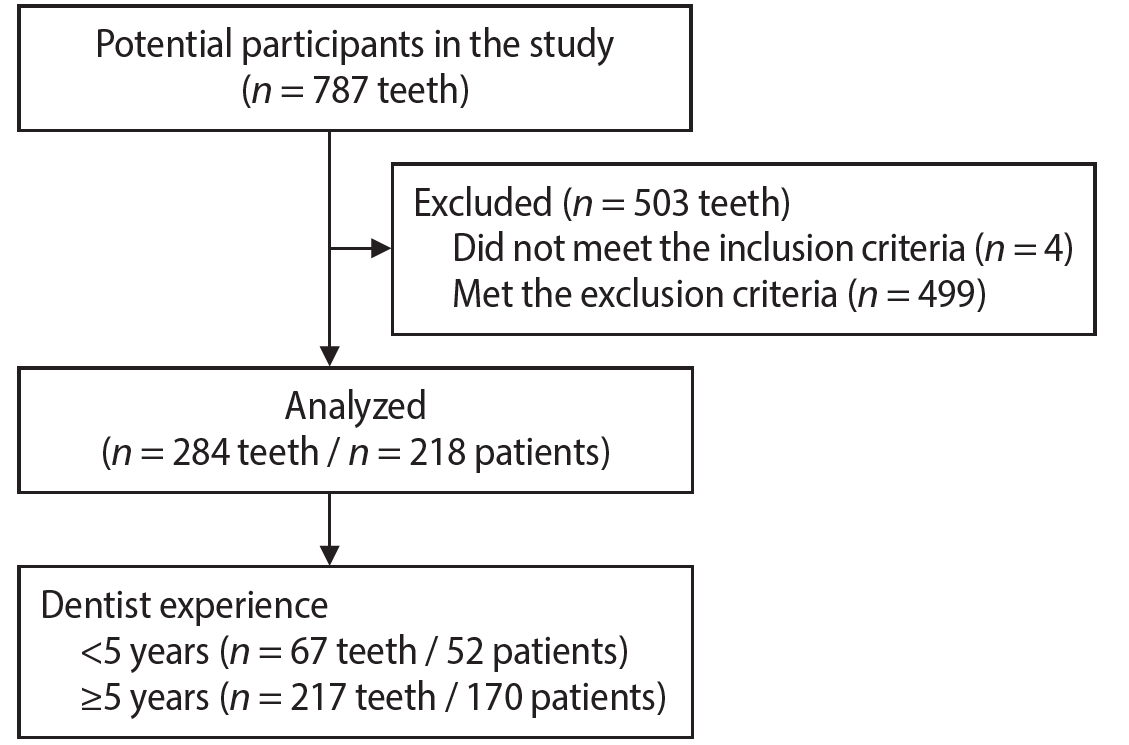
Residual bacteria at the time of root canal obturation significantly influence endodontic treatment outcomes in teeth with apical periodontitis, and confirmation of bacterial elimination from the root canal prior to obturation may improve long-term prognosis. However, the contribution of root canal bacterial culture to treatment outcomes in teeth with infected root canals is debated. This study aimed to retrospectively evaluate treatment outcomes in cases in which root canal obturation was performed after confirming negative bacteriological test results. Methods: The medical records of patients with apical periodontitis or pulp necrosis in whom root canal obturation was performed after confirming a negative bacteriological test result using an anaerobic culture system at the Department of Endodontics and Operative Dentistry at Hiroshima University Hospital between April 1, 2015, and September 30, 2023, were retrospectively reviewed. Treatment outcomes were assessed by comparing dental radiographs obtained before treatment with those obtained during the follow-up, ranging from 3 to 24 months after root canal obturation. Results: This retrospective study included 284 teeth from 218 patients, and the success rate was 89.1%. Tooth type, number of root canals, type of treatment, preoperative radiolucency around the root apex, preoperative root canal obturation material, dentist experience, and postoperative extent of root canal obturation material did not significantly affect treatment outcomes. Conclusions: The findings of this retrospective study suggest that infection control incorporating bacteriological examination of root canals using an anaerobic culture system may contribute to a high success rate of nonsurgical endodontic treatment, regardless of other prognostic factors.
- 1,148 View
- 43 Download
- Effect of silane treatment and resin cement type on bond strength to three-dimensional printed restorative resin: an in vitro experimental study
- Seul Ji Park, Eun Hye Lee, Ryan Jin Young Kim, Joo Hee Shin
- Restor Dent Endod 2026;51(3):e34. Published online August 12, 2026
- DOI: https://doi.org/10.5395/rde.2026.51.e34
-
Abstract
PDF
- Objectives
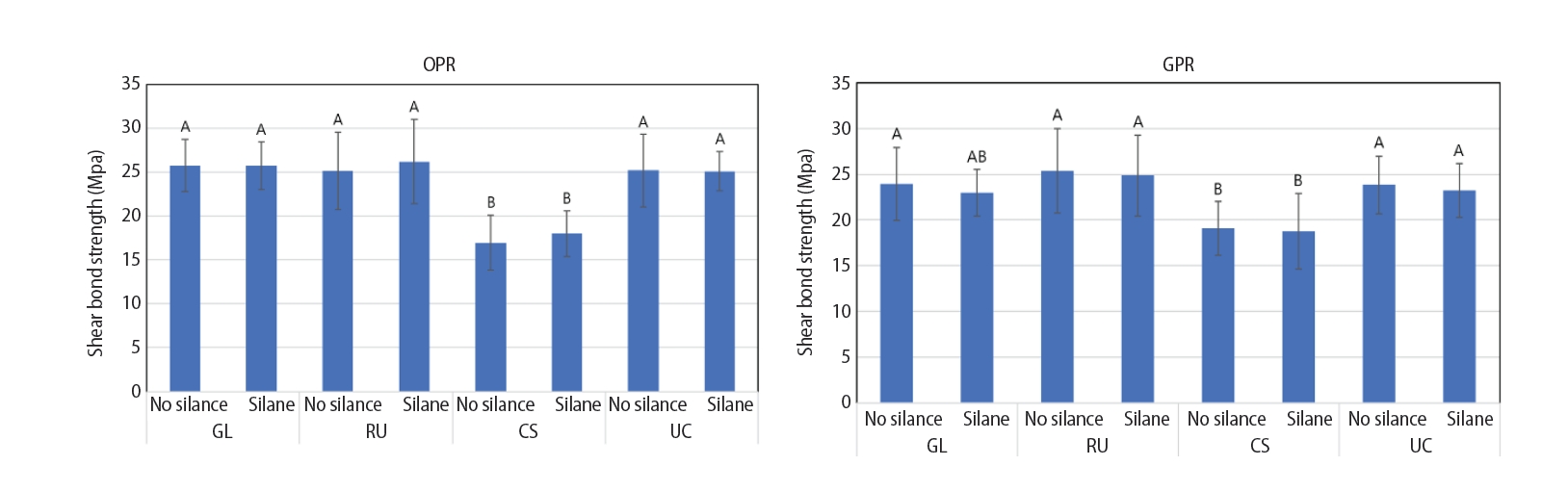
This study aimed to evaluate the shear bond strength (SBS) of different resin cements to three-dimensional (3D)-printed restorative resins and to investigate the effects of silane treatment and substrate type on bonding performance. Methods: Four resin cements—three self-adhesive and one adhesive—were applied to two types of 3D-printed resins: ODS Permanent Resin (OPR) and Graphy Permanent Resin (GPR). Each substrate was tested with and without silane treatment. SBS was measured, and the failure modes were classified. Scanning electron microscopy (SEM) was used to analyze surface morphology of the 3D-printed substrates. Statistical analyses were performed to determine the effects of cement type, silane application, and substrate type on SBS. Results: Resin cement type significantly influenced SBS, with Clearfil SA (Kuraray) exhibiting the lowest values, while the other cements demonstrated comparable performance. Silane treatment and substrate type did not show statistically significant effects on SBS. SEM analysis revealed smoother surfaces in OPR compared to GPR. Failure mode analysis showed predominantly cohesive failures for OPR, whereas GPR exhibited more adhesive and mixed failures. Conclusions: Resin cement selection plays a crucial role in achieving optimal bond strength to 3D-printed restorative resins. Silane application provided limited benefits for filler-deficient substrates, indicating that alternative surface treatments may be necessary.
- 1,044 View
- 50 Download
- Effect of light-curing modes on degree of conversion and color stability of flowable bulk-fill composites: an in vitro experimental study
- Eda Karaaslan, Sultan Aktuğ Karademir
- Restor Dent Endod 2026;51(3):e35. Published online August 4, 2026
- DOI: https://doi.org/10.5395/rde.2026.51.e35
-
Abstract
PDF
- Objectives
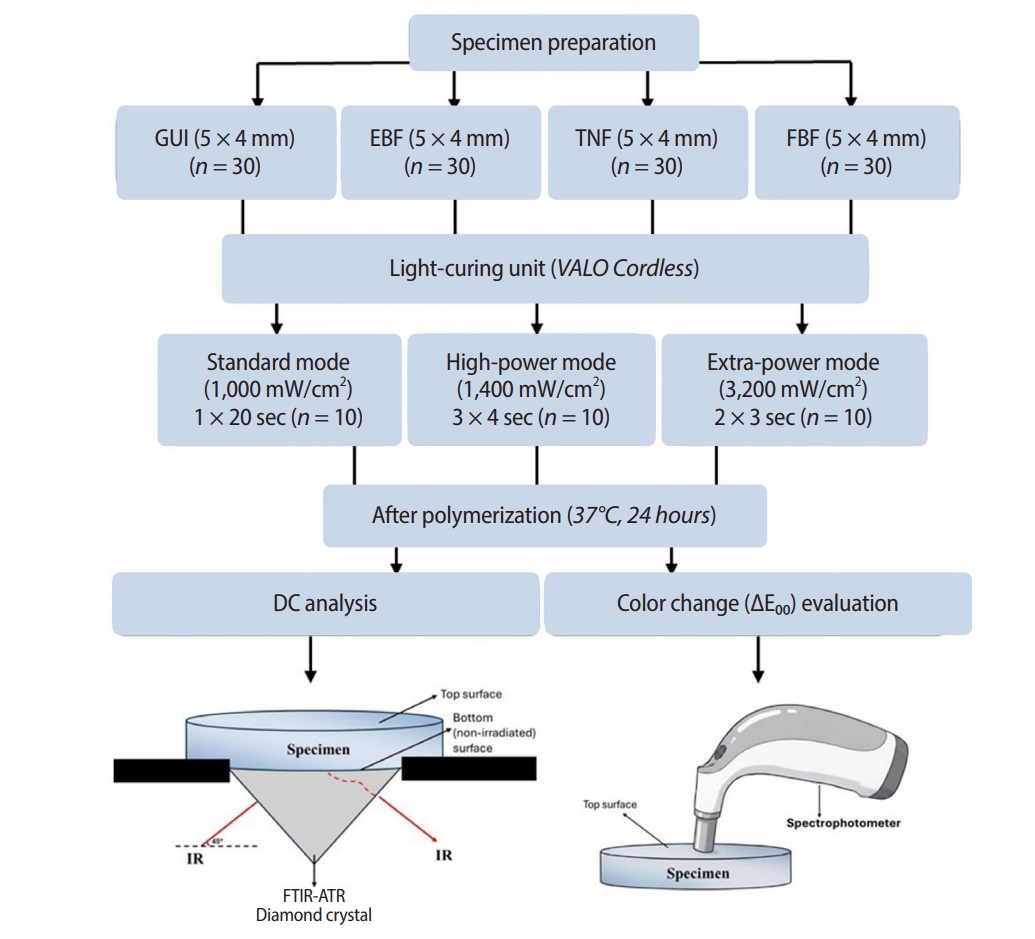
This study aims to evaluate the impact of light-curing modes on the degree of conversion (DC) and color change (CIEDE2000 color difference, ΔE00) of different flowable composite resins. Methods: A total of 120 specimens (n = 10 per group) were prepared from four materials: G-aenial Universal Injectable (GUI; GC), Estelite Bulk Fill Flow (EBF; Tokuyama Dental), Tetric N-Flow Bulk Fill (TNF; Ivoclar Vivadent), and Filtek Bulk Fill Flowable (FBF; 3M ESPE). The specimens were polymerized using an LED light-curing unit under three light-curing modes: standard (1,000 mW/cm², 20 seconds), high-power (1,400 mW/cm², 3 × 4 seconds), and extra-power (3,200 mW/cm², 2 × 3 seconds). The DC was quantified using Fourier transform infrared spectroscopy. Color measurements were performed at baseline, and on the 7th and 14th days after immersion in coffee, using a spectrophotometer. The ΔE₀₀ was calculated using the CIEDE2000 formula. The data were analyzed using IBM SPSS software (α = 0.05). Results: Material type and light-curing mode significantly affected both the DC and ΔE00 (p < 0.05). All composites exhibited lower DC in the extra-power mode compared to the high-power mode. On day 14, the extra-power mode resulted in significantly greater discoloration in TNF, FBF, and EBF compared to the high-power mode (p < 0.05). Conclusions: Although curing with the extra-power mode saves time, it may result in a lower DC and an increase in ΔE00 in flowable composite resin.
- 802 View
- 57 Download
- Influence of occlusal reduction on postoperative pain following single-visit root canal treatment in mandibular molars: a randomized controlled trial
- Sathvika Kanesalingavelan, Geeth Deepika KG, Anand Sherwood I, Pavithra Chandrasekaran, Azhagu Abirami A
- Restor Dent Endod 2026;51(3):e37. Published online August 12, 2026
- DOI: https://doi.org/10.5395/rde.2026.51.e37
-
Abstract
PDF
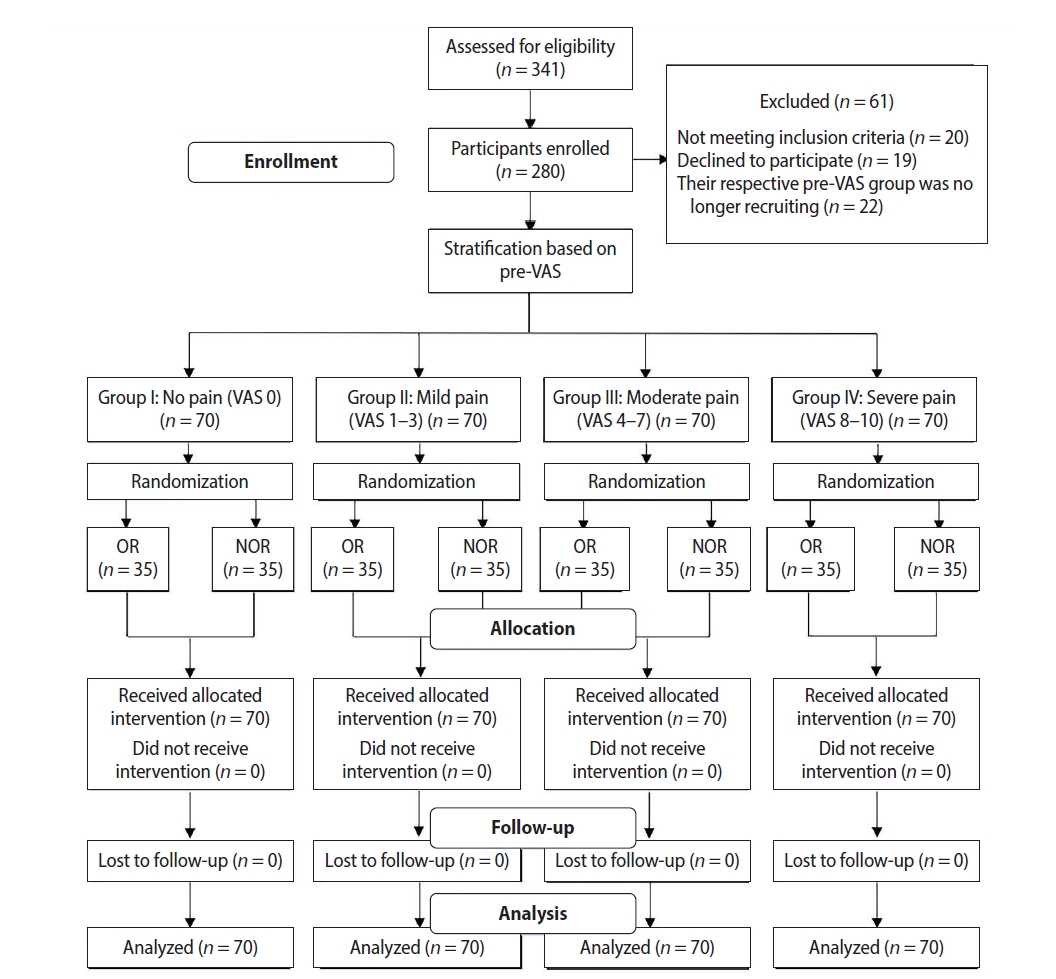
- Objectives
Postoperative pain is a frequent complication following root canal treatment, and occlusal reduction (OR) has been suggested as a means to minimize such discomfort. However, existing evidence regarding its effectiveness remains inconclusive. This study aimed to evaluate the influence of OR on postoperative pain following single-visit root canal treatment in mandibular molars. It also examined whether preoperative pain intensity affects the postoperative response to OR. Methods: A total of 280 eligible patients with irreversible pulpitis in their first or second mandibular molars were enrolled and stratified into four groups based on their preoperative pain intensity using the visual analogue scale (VAS): 0, no pain; 1–3, mild; 4–7, moderate; and 8–10, severe. Each group was further allocated into OR or no occlusal reduction (NOR) subgroups using block randomization. Standardized endodontic procedures were performed under rubber dam isolation. Postoperative pain was recorded at 24 hours, 48 hours, and 1 week using the same VAS scale. Data were analyzed using the chi-square tests (p ≤ 0.05). Results: Overall, a statistically significant difference between OR and NOR was found at the 48-hour interval, favoring OR. Stratified analysis showed significant pain reduction at 24 hours in the moderate pain category and near-significant differences in the severe pain group at both 24 hours and 48 hours. Conclusions: OR reduced early postoperative pain most noticeably in patients presenting with moderate to severe preoperative pain, whereas its effect was minimal in asymptomatic or mildly symptomatic cases.
- 765 View
- 42 Download
Case Report
- Direct composite injection molding with bilayered three-dimensional-printed clear index: a fully digital workflow case report of post-orthodontic anterior tooth wear
- Yuta Utsumi, Junji Tagami, Bas Loomans, Nicola Scotti, Keiichiro Watanabe, Sooha Matsuki, Eiji Tanaka, Keiichi Hosaka
- Restor Dent Endod 2026;51(3):e36. Published online August 7, 2026
- DOI: https://doi.org/10.5395/rde.2026.51.e36
-
Abstract
PDF
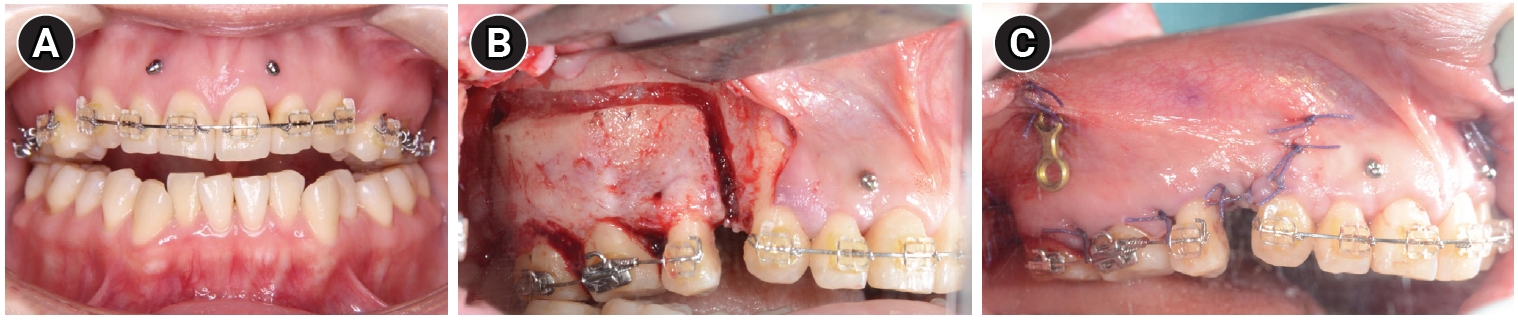
- This case report describes post-orthodontic direct composite restorations for anterior tooth wear using bilayered, three-dimensional (3D)-printed clear indices with a fully digital workflow. A patient with moderate incisal wear affecting the six maxillary anterior teeth underwent intraoral and facial scanning, followed by the creation of two digital wax-ups. Two sets of bilayered indices were fabricated, consisting of a rigid transparent outer shell for structural stability and a flexible inner liner for precise adaptation. Restoration was performed in two phases: alternate teeth were restored with the skipping-teeth first index, followed by restoration of the remaining teeth using the full-contour second index. The index design facilitated stable seating and controlled composite injection (Clearfil Majesty ES Flow Universal; Kuraray Noritake), which minimized material excess and simplified the finishing process while maintaining the planned morphology. The patient reported high satisfaction with comfort and treatment efficiency. At 15-month follow-up, all restorations remained intact with excellent marginal adaptation, surface quality, and esthetics. Within the limitations of this report, the use of bilayered 3D-printed clear indices suggests a feasible and conservative approach for managing anterior tooth wear.
- 1,232 View
- 68 Download
Retraction Notice
- Retraction of “Discoloration of teeth due to different intracanal medicaments” published in Restorative Dentistry and Endodontics
- Restor Dent Endod 2026;51(3):e38. Published online August 18, 2026
- DOI: https://doi.org/10.5395/rde.2026.51.e38
- Retracts: Restor Dent Endod 2019;44(1):e10
- 976 View
- 98 Download
 First
First Prev
Prev


